When a loved one enters short term rehab, families are often introduced to a team of specialists who all play a role in recovery. Two of the most important are physical therapy and occupational therapy. While these services often work side by side, they serve different purposes that together support a safe and meaningful return to everyday life.
Understanding how each discipline contributes can help you feel more confident in your care decisions and better prepared to support recovery at home.
What Is Short Term Rehab?
Short term rehab is a structured, goal-oriented level of care designed to help individuals recover after surgery, illness, or injury. It often takes place after a hospital stay and typically lasts a few weeks, depending on progress.
Care teams in this setting work with patients to rebuild strength, function, and independence through a personalized treatment plan. This often includes nursing care, therapy services, and medical oversight, all aimed at improving quality of life and supporting a safe return home.
What Does Physical Therapy Focus On?
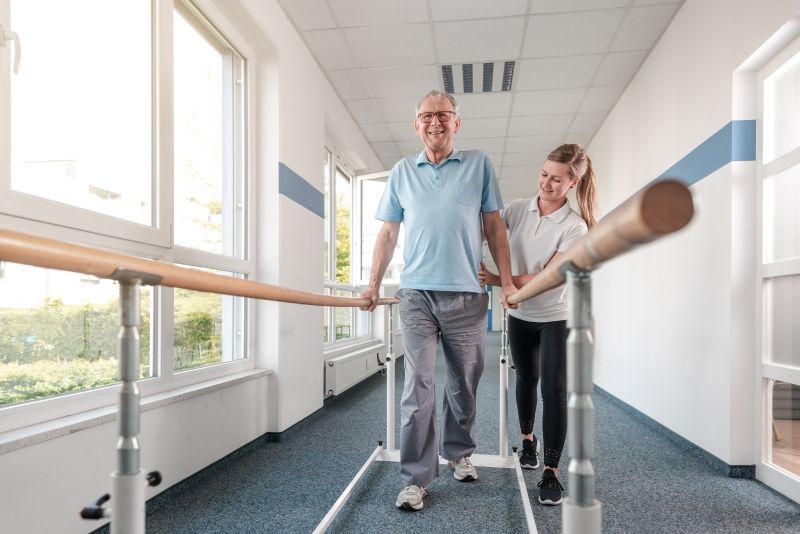
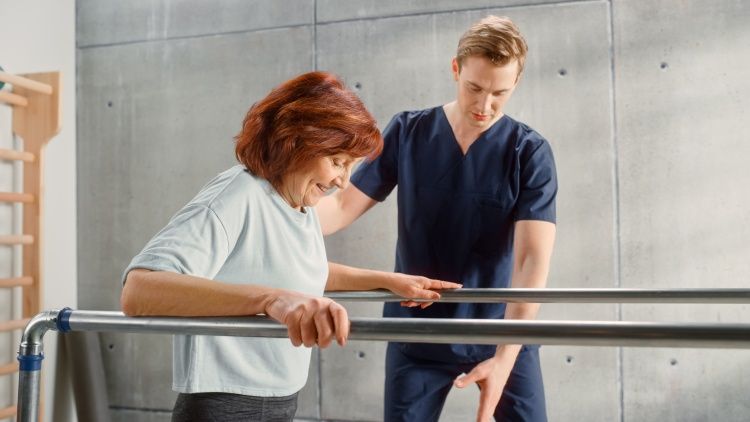
Physical therapy, often referred to as PT, primarily focuses on improving movement, strength, and physical function. A physical therapist works with patients to help them restore mobility, regain balance, and reduce pain after an injury or medical event.
Common goals of PT include:
- Rebuilding muscle strength after surgery or hospitalization
- Improving balance to prevent falls
- Increasing endurance for walking and standing
- Supporting recovery from orthopedic procedures such as joint replacements
- Helping manage chronic conditions like arthritis or stroke-related weakness
For example, someone recovering from a hip replacement may spend time practicing walking with assistive devices, climbing stairs, and improving range of motion. These exercises are carefully guided to ensure safety and steady progress.
Research shows that early and consistent physical therapy can significantly improve mobility outcomes and reduce the risk of complications like falls or hospital readmissions. ¹
What Does Occupational Therapy Focus On?
Occupational therapy, or OT, is centered around helping individuals regain independence in daily living. An occupational therapist work involves teaching or retraining the skills needed to complete everyday tasks safely and effectively.
Common goals of OT include:
- Improving fine motor skills needed for tasks like buttoning clothing or writing
- Assisting with bathing, dressing, and grooming routines
- Teaching energy conservation techniques for those with fatigue
- Recommending adaptive equipment such as grab bars or specialized utensils
- Supporting cognitive skills like memory and problem-solving
For instance, after a stroke, a patient may work with an occupational therapist to relearn how to prepare meals or safely get dressed. The focus is not just on physical ability but also on coordination, planning, and confidence.
Occupational therapy helps individuals regain the ability to perform meaningful activities that contribute to independence and well-being. ²
PT vs OT: Key Differences
Although both therapies aim to improve function, their approaches differ in meaningful ways.
Physical Therapy (PT)
- Emphasizes large muscle groups and movement
- Helps restore mobility and strength
- Focuses on walking, balance, and physical endurance
- Often addresses pain management and injury recovery
Occupational Therapy (OT)
- Focuses on daily living skills and independence
- Improves fine motor skills and coordination
- Addresses cognitive, memory, and environmental challenges
- Helps patients adapt to new or ongoing health conditions
In simple terms, physical therapy helps patients move better, while occupational therapy helps them live better with that movement.
How PT and OT Work Together for a Stronger Recovery
In short term rehab, physical therapy and occupational therapy are not competing services. They are complementary parts of a larger recovery plan that support both movement and independence.
For example, a patient recovering from a fall may work with a physical therapist to rebuild strength, improve balance, and walk more safely. At the same time, they may work with an occupational therapist to navigate their home environment, complete self-care tasks, and regain confidence in daily living.
This collaborative approach helps ensure that progress made in therapy carries over into real-world situations. Recovery is not only about physical healing. It also involves restoring independence, confidence, and a sense of normalcy.
Together, PT and OT:
- Support independence at home
- Help prevent future injuries or hospitalizations
- Improve overall quality of life
- Prepare patients for the next stage of care, whether that is home health or long term care
For many individuals, especially those managing chronic conditions, combining these therapies leads to better long-term outcomes and a smoother, safer transition home. ³
What to Expect During Therapy Sessions
Each therapy session is tailored to the individual’s needs, goals, and medical background. While no two plans are identical, there are some common elements families can expect.
During PT sessions:
- Guided exercises to improve strength and flexibility
- Gait training with walkers or canes
- Balance and fall prevention activities
During OT sessions:
- Practice with everyday tasks like dressing or eating
- Training with adaptive tools or home modifications
- Cognitive exercises for memory or sequencing tasks
Therapists continuously evaluate progress and adjust the treatment plan to ensure patients are challenged but safe.
Choosing the Right Care Approach
If you are helping a loved one navigate short term rehab, it is important to ask questions and stay involved.
Consider asking:
- What are the primary goals of therapy?
- How often will PT and OT sessions occur?
- What progress should we expect week to week?
- What support will be needed after discharge?
Being informed allows you to advocate for care that aligns with your loved one’s needs and preferences.
Final Thoughts
The journey through short term rehab can feel overwhelming at first, but understanding the roles of physical therapy and occupational therapy can bring clarity and reassurance.
Each discipline plays a distinct role, yet both share the same purpose. They work with patients to rebuild strength, restore independence, and improve quality of life in meaningful ways. By working together, PT and OT create a more complete path to recovery, one that supports not just healing, but a safe and confident return to everyday life.
For individuals and families who want to better understand the rehabilitation process, visiting a rehab department and meeting with physical and/or occupational therapists may be helpful. Seeing therapy in action and speaking directly with rehabilitation professionals can provide additional insight and help answer questions about the recovery journey.
Get in Touch
Learn more about how subacute rehab at Kearsley supports personalized care for patients in Philadelphia, PA. Contact us today to schedule a tour or speak with a member of our care team.