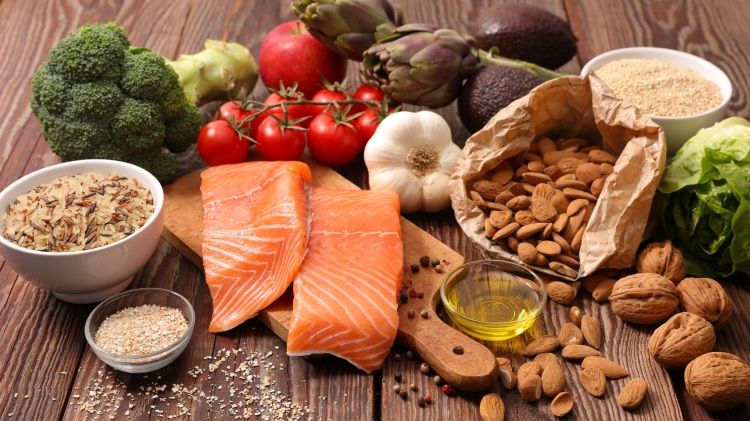
Taking steps towards better kidney health often begins with understanding the significance our diets have on our bodies. It’s not just about food choices. It’s about building habits that support your body and protect kidney function over time.
Protecting kidney health matters for everyone, not just for people with kidney disease or those in the early stages of kidney failure. Explore how your diet impacts your kidneys and discover easy ways nutrition can support kidney function and improve your overall well-being in this informative guide.
Essential Components of a Kidney-Friendly Diet
Crafting a kidney-friendly diet involves considering key components crucial for ensuring these vital organs function properly, whether you are dining out or preparing your own meals.
Controlling Sodium Intake
Excess sodium significantly strains kidneys, resulting in high blood pressure and impacting filtration. Look for fresh, whole foods, limit processed options, read packaged food labels, and choose low-sodium alternatives. Preparing food with fresh ingredients will help you maintain a healthier sodium balance while protecting your kidneys. ¹
Monitoring Protein Consumption
Proper protein intake is crucial for maintaining healthy kidneys, however it is important to practice moderation to prevent making the kidneys work harder by overloading them. Consult a healthcare professional for personalized protein level recommendations aligned with your individual needs and health status. Adjust your protein intake at different kidney health stages to ensure you are striking the correct nutrition balance. ¹
Choosing the Right Fats
Include kidney-supportive omega-3 fatty acids from sources like fish and flaxseeds for proper nutrition. Identify and limit harmful fats, such as saturated and trans fats, commonly found in processed foods and certain oils. Choose healthier fat sources like canola oil, corn oil, peanut oil, and safflower oil. This approach promotes optimal kidney function and supports your general health. ¹
Keeping Hydrated
Drink enough water to keep your kidneys healthy. Adequate hydration helps them filter properly and keeps everything balanced inside your body. However, some people with advanced Chronic Kidney Disease or certain heart conditions may need to limit fluid intake, so hydration recommendations should always follow guidance from your healthcare provider.
Tips for Ensuring Sufficient Fluid Intake
- Sip Throughout the Day: Use a large water bottle to consistently sip water.
- Incorporate Hydrating Foods: Consume water-rich fruits and vegetables.
- Listen to Your Body: Respond promptly to thirst signals.
- Limit Sugary Drinks: Minimize sugary and caffeinated beverages, like colored sodas.
When you combine these tips for staying hydrated with important foods, you're setting up a solid routine to keep your kidneys healthy and your energy up for the long run. ³
Incorporating Kidney-Friendly Foods
When putting together a diet that's good for your kidneys, include foods that nourish and support the well-being of these important organs.
Fruits and Vegetables
Embrace kidney-friendly foods with a variety of nutrient-rich options like leafy greens, berries, and bell peppers, delivering essential vitamins and minerals. Achieve balance by enjoying these fruits and vegetables in moderate portions, promoting a well-rounded and supportive diet for kidney health.
Whole Grains
Optimize kidney health by choosing whole grains like brown rice, quinoa, and whole wheat, known for their fiber and nutrient content. Incorporate recommended whole grain choices into your diet to enjoy sustained energy and nutritional benefits.
Foods to Avoid for Kidney Health
High Phosphorus and Potassium Foods
Maintain kidney health by limiting phosphorus-rich foods such as dairy products, beans, nuts, and processed meats. Excessive consumption of these nutrients can strain compromised kidneys, resulting in complications. Additionally, control potassium intake by steering clear of high-potassium foods like bananas, oranges, and potatoes. These dietary adjustments contribute to a supportive regimen for optimal kidney function. ²
Processed and High-Sodium Foods
Promote kidney health by being mindful of your sodium intake. It might be tempting to indulge in the convenience of processed and high-sodium foods like fast food, packaged snacks, and canned soups. While these tasty foods can be convenient and cheap, these items can contribute to elevated blood pressure and fluid retention, putting additional stress on your kidneys. Making the choice to reduce these options plays a crucial role in creating an environment that supports optimal kidney function. It's a small adjustment that can make a big difference in the long run.¹
Meal Planning and Portion Control
Crafting a kidney-friendly lifestyle involves thoughtful meal planning and effective portion control.
Importance of Balanced Meals
Recognizing the significance of balanced meals is essential for kidney health. Incorporating a variety of nutrients from different food groups ensures that your body receives the important elements needed for optimal functioning.
Strategies for Portion Control
Mindful eating enhances awareness of portion sizes, and using smaller plates naturally controls portions, preventing overeating. Measuring portions accurately promotes a balanced and mindful approach to meal planning.
When and Why to Seek a Dietitian
If you or a loved one is at any stage of chronic kidney disease (CKD), it may be necessary to involve a registered dietitian for a personalized kidney health diet. Schedule regular check-ins to assess dietary habits and make adjustments as directed by your dietitian when health conditions change. By embracing these strategies and consulting a dietitian when needed, you actively contribute to the long-term well-being of your kidneys. ⁴
Wrapping Up
Prioritizing kidney health through a balanced diet can support better health outcomes over the long term. Controlling sodium and phosphorus intake, monitoring protein and fat consumption, and incorporating kidney-friendly foods are fundamental steps. Embracing meal planning, portion control, and seeking the guidance of a dietitian further enhances your efforts.
Adopting a kidney-friendly diet is a practical way to support kidney health and overall wellness. With the right nutrition and guidance, you can take an active role in supporting long-term kidney health.
Get in Touch
Learn more about how RenalX at Kearsley supports personalized care for patients in Philadelphia, PA. Contact us today to schedule a tour or speak with a member of our care team.